

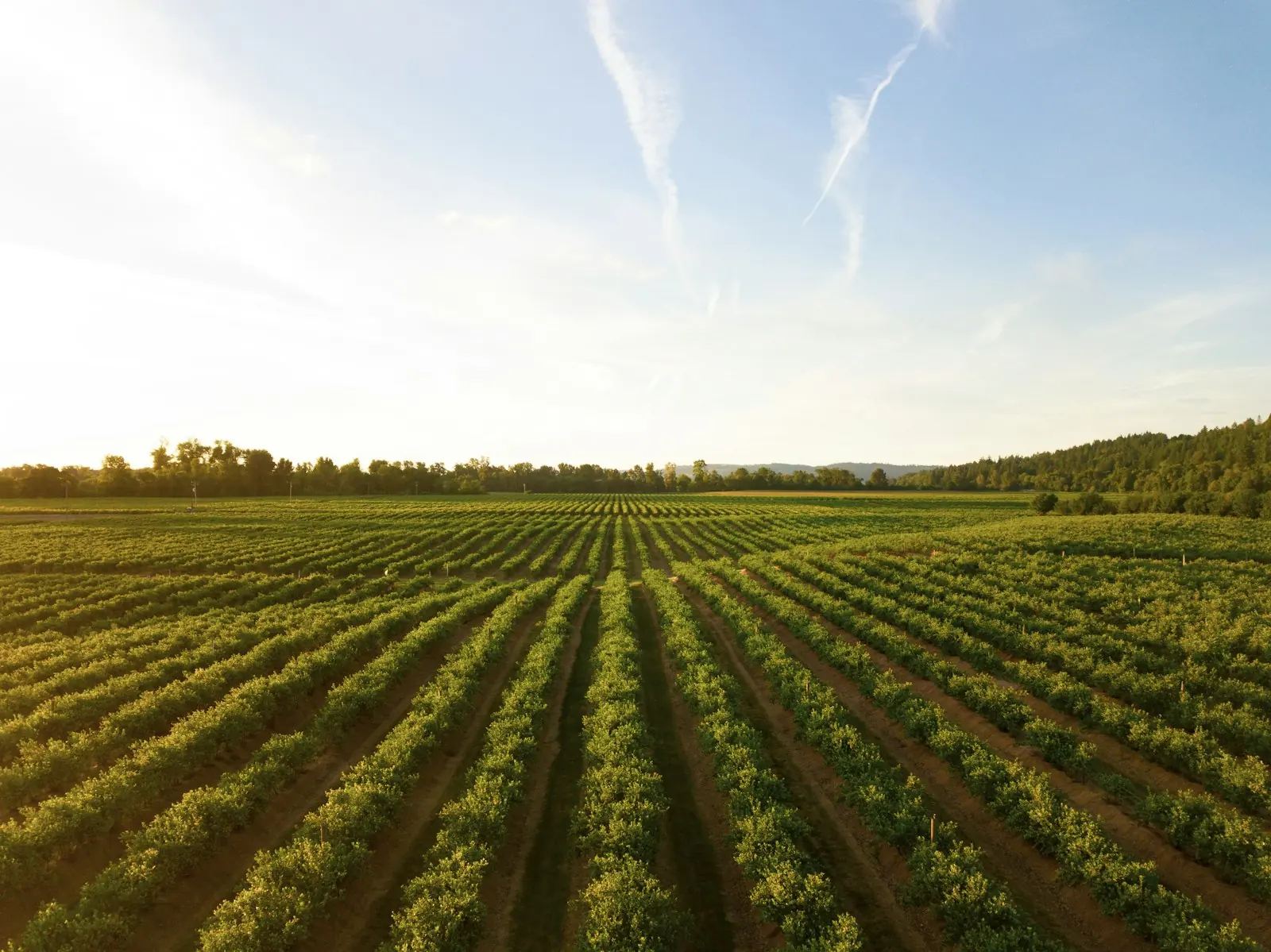
Farming has always been a data business – the data just lived in a grower's memory, a notebook and the view from the edge of the field. Today, affordable sensors, drones and AI make it possible to see a whole farm in detail every day and act on what is really happening in each plot.
This approach is usually called precision agriculture: applying the right input, in the right place, at the right time. It matters most where water is scarce, labour is hard to find and margins are tight – which describes a lot of agriculture in India and elsewhere.
What precision agriculture actually involves
A practical system has three layers that work together:
| Layer | What it does | Typical tools |
|---|---|---|
| Sense | Measures conditions in the field | Soil moisture and temperature probes, weather stations, drones, cameras |
| Understand | Turns readings into insight | Dashboards, computer vision models, crop and weather models |
| Act | Changes what happens on the ground | Alerts, irrigation controllers, variable-rate spraying, task lists for field teams |
1. Smarter irrigation with soil sensors
Watering on a fixed schedule is simple, but soil does not dry out on a schedule. Moisture probes at root depth show exactly when a plot needs water and how much it absorbed, so irrigation can respond to the crop instead of the calendar.
- Readings are sent over mobile data or long-range radio (LoRaWAN) to a dashboard.
- Growers get an alert when moisture falls below the level that suits the crop and growth stage.
- Controllers can open valves automatically, with manual override always available.
2. Seeing the whole field from the air
Walking every row of a large farm is slow, and many problems are invisible at ground level until they are serious. Drones capture the entire field in a single flight. Multispectral cameras measure how plants reflect light, which reveals stress from water, nutrients or disease before leaves visibly change.
The result is a map that shows exactly which patches need attention, so scouts and spray teams go straight to them.
3. Computer vision for pests, disease and counting
Image recognition models can be trained to identify common pests, leaf diseases and weeds from photos taken by drones, fixed cameras or a farmer's phone. The same techniques count plants, estimate fruit numbers and detect gaps in a stand.
- Early detection, so treatment is targeted and smaller
- Consistent assessments that do not depend on who walked the field
- A photo record of every issue, useful for agronomists and insurance
4. Automating repetitive field work
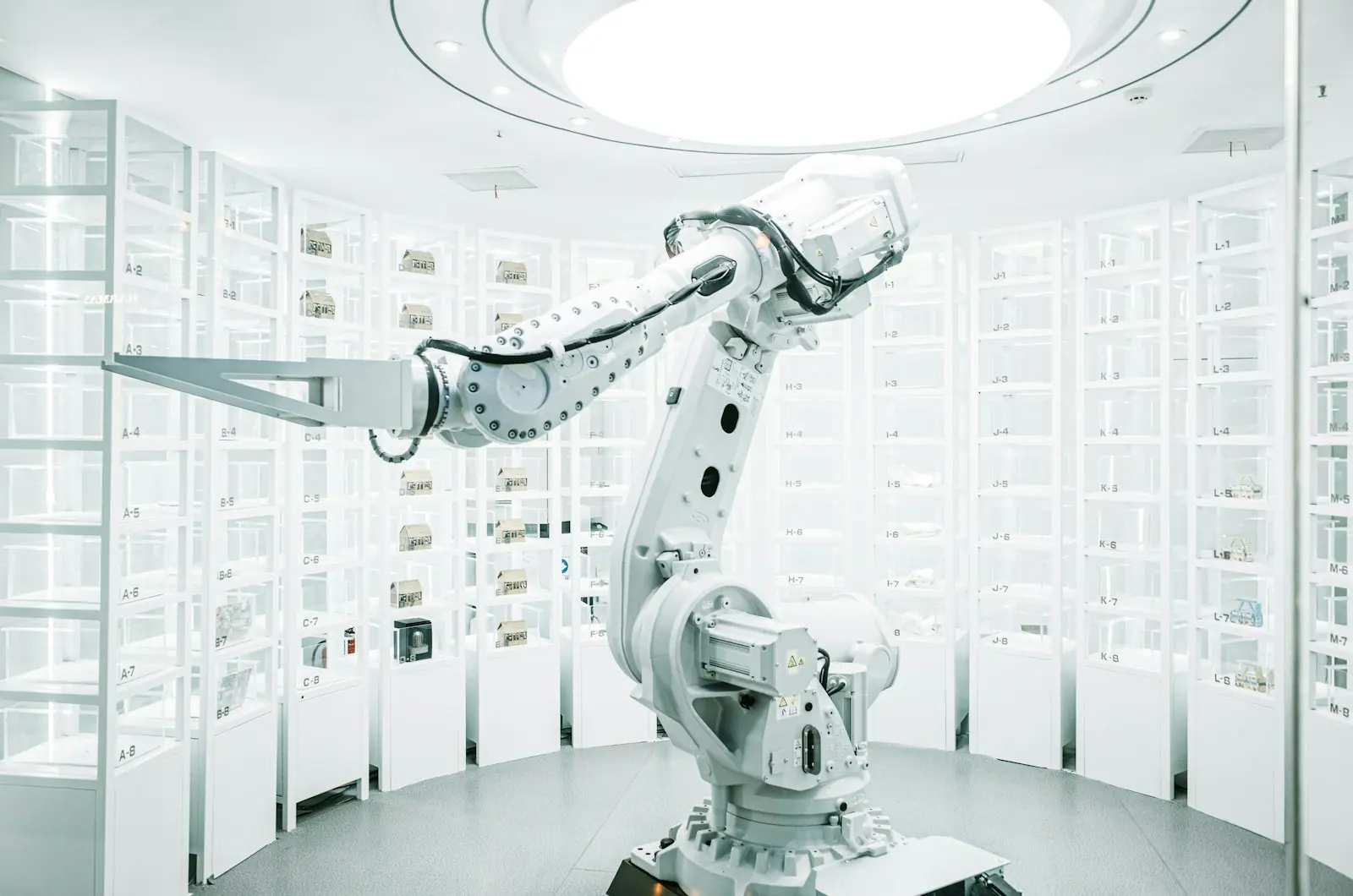
Where labour is scarce, automation takes on the repetitive jobs: drones for targeted spraying, automated irrigation and fertigation, and – on larger operations – guided machinery. The aim is not to remove people from farming, but to let a small team manage more area with better information.
5. Turning data into better decisions
Over a few seasons, the data builds into something more valuable than any single alert: a history of what each plot produced, what it was given and how the weather behaved. That supports better decisions on crop choice, input planning, harvest timing and yield forecasts.
How to get started
- Choose one decision to improve – irrigation timing is often the quickest win.
- Instrument a pilot plot with a few sensors and a weather source, alongside a comparison plot.
- Add a simple dashboard and alerts on the phone your team already uses.
- Measure for a season – water used, labour hours and crop condition against the comparison plot.
- Scale to more fields, and add drone imaging or computer vision once the basics are working.
Frequently asked questions
Is precision agriculture only for large farms?
No. Sensor costs have fallen sharply, and a small number of probes plus a phone dashboard can be valuable on a modest farm, especially for high-value or water-intensive crops.
What if the farm has poor mobile coverage?
Long-range, low-power radio networks such as LoRaWAN can carry sensor readings several kilometres to a single gateway with an internet connection.
Do growers need technical skills?
They should not. A good system presents simple alerts and maps, and the technology stays in the background.
The bottom line
Agriculture technology works best as a practical tool: measure what matters, act on it quickly and learn every season. Our Tinos Robotics wing designs sensor networks, drones and automation for agriculture and industry, and our AI practice builds the computer vision behind them. Talk to us about a pilot for your fields.